Why a Desktop SPV Multisig Wallet Still Makes Sense (and How to Think About It)

Whoa!
I get a kick out of the weird little freedom that comes from running a Bitcoin wallet on my laptop.
For experienced users who want speed and control, a lightweight SPV desktop wallet often hits the sweet spot between raw security and everyday convenience.
At first glance it seems old-fashioned to run a desktop app when mobile is king, though actually there’s a lot under the hood that favors desktop setups for multisig fans and power users.
My instinct said this would be dry—turns out it’s kind of fun to nitpick the trade-offs.

Seriously?
Yes.
SPV wallets skip downloading the full blockchain and instead verify transactions with simplified proofs, which makes them fast and resource-light.
That speed gives you a responsive UX for signing multisig transactions or spinning up cold-storage workflows without waiting hours or eating disk.
But wait—there’s nuance, and the nuance is where most people stumble.

Here’s the thing.
SPV isn’t a one-size-fits-all guarantee of privacy or trustlessness.
On one hand, SPV reduces resource requirements and keeps your wallet nimble; on the other hand, SPV relies on network peers or servers for certain proofs, and that dependency can leak metadata or create subtle attack surfaces.
Initially I thought “fast equals safe enough,” but then I kept testing and found cases where a seemingly trivial network tweak allowed inference of which addresses I controlled.
So yeah—careful configuration matters, especially for multisig setups where multiple parties need to coordinate without leaking too much info.

Hmm…
Multisig is the real kicker here.
Setting up 2-of-3 or 3-of-5 schemes on desktop makes operational tasks easier: you can store keys across hardware wallets, encrypted files, and a couple of air-gapped machines; it’s tidy.
When I first used multisig on a laptop with an external hardware signer, something felt off about the UX, but a few small scripts smoothed the flow and now it’s my default for mid-size holdings.
I’m biased, but for anyone holding more than pocket change, multisig on a desktop SPV client is very very worth the effort.

Okay, so check this out—
Not all desktop SPV wallets are created equal.
Some make privacy a core feature; others lean on convenience.
If you care about reproducible security and an auditable signing process, pick a well-known client that supports hardware wallets, PSBT, and clear export/import flows.
A good example to try is the electrum wallet which balances features and community vetting, and it’s a practical place to start if you want to tinker without reinventing the wheel.

Screenshot-style mockup of a desktop multisig signing flow, showing PSBT and hardware wallet prompts

My workflow is messy and practical.
I keep one machine fully air-gapped with a hardware signer, a second machine online for broadcasting, and a third as a watch-only node for monitoring—yes, a lot of moving parts.
On the downside, managing multiple machines means more routine checks and backups; on the upside, I sleep easier because the attack surface is compartmentalized.
Initially I skimped on documentation and then cursed myself later; lesson learned—document every key location, even if it’s ugly notes in an encrypted file.
Somethin’ about that process makes you respect the craft of custody.

There are technical trade-offs that deserve plain talk.
SPV wallets validate inclusion of transactions in blocks using Merkle proofs and light client techniques, but they often cannot validate chain history as fully as a node that downloads every block.
This matters for detecting certain deep consensus attacks or nuanced chain reorgs, though those are rare for most users.
If you’re running a multisig that secures treasury-sized funds, you should consider combining SPV clients with occasional full-node cross-checks to be sure nothing funky is happening.
Yes, it adds chores, but it’s doable and it buys confidence.

Practical tips for power users

First: use PSBTs (Partially Signed Bitcoin Transactions) whenever possible.
They make multisig coordination clean and auditable, and they work well with hardware signers so keys never leave devices.
Second: separate roles—signer, coordinator, and broadcaster—and ensure those roles live on different systems or trust domains; redundancy matters.
Third: test your recovery process until you’re bored with it; recovery is the hard bit people underestimate the most.
I once thought a single seed backup was enough—wrong—so now I test restores quarterly, and that little habit has saved me from a couple of close calls.

One more: think about privacy from day one.
Use Tor or another proxy if your wallet supports it, and be mindful of address reuse and change handling.
Multisig amplifies metadata leakage if participants re-use shared addresses or if one party broadcasts raw PSBTs to public endpoints.
So coordinate on address hygiene and prefer watch-only setups on public-facing devices.
Also—tell your friends: don’t paste PSBTs to random pastebins…seriously, don’t.

Common questions I get

Is SPV safe enough for significant amounts?

For many users, yes—especially when paired with hardware wallets, multisig, and occasional full-node audits.
But if you’re securing extremely large sums, the conservative path is to add full-node verification into your routine, or to split custody across different security models.
There’s no perfect answer; it’s about defense in depth.

Which desktop wallet should I try first?

If you want a pragmatic starting point that supports multisig, PSBT, and hardware signers, consider the electrum wallet because it’s widely audited, well-documented, and practical for tinkering.
Try it on a disposable machine first and practice importing and signing with a hardware device before moving real funds.
That practice matters more than any single feature list.

How do I keep my multisig setup from becoming a pain?

Automate what you can, but not blindly.
Use scripts for PSBT generation and verification, keep clear naming for keys, and establish a simple protocol for co-signers to follow.
Document the process and rehearse recovery every few months.
Trust grows from habit.
How Climate Data Shapes Daily Choices—With Real-World Examples

Climate data is far more than tomorrow’s weather forecast—it is a powerful lens through which individuals and communities interpret risk, plan behavior, and build resilience. Beyond predicting rain or heat, this data empowers informed decisions that ripple across transportation, diet, energy use, emergency planning, and long-term lifestyle design. From real-time flood warnings altering commutes to seasonal drought patterns guiding grocery lists, climate insights bridge abstract global trends with tangible daily life.

The Power of Climate Data in Everyday Life

Climate data encompasses measurable indicators such as temperature anomalies, shifting precipitation patterns, and the increasing frequency of extreme events. Unlike ephemeral weather reports, this long-term information reveals underlying trends that shape human response. For example, persistent temperature anomalies signal prolonged heatwaves, prompting communities to adapt infrastructure and routines. Real-time climate insights transform passive observers into active participants in climate resilience.

Accessible tools—mobile apps, dashboards, and public climate portals—translate complex datasets into actionable formats. These platforms empower users to interpret risks visually and respond proactively, turning abstract numbers into clear guidance. As climate literacy grows, so does the capacity for collective adaptation that safeguards both personal well-being and community stability.

Understanding climate indicators like extreme event frequency helps contextualize risks. A record-breaking 30% increase in coastal flooding over a decade, for instance, directly influences commute strategies and insurance decisions. When individuals grasp these patterns, they shift from reactive to anticipatory behavior—laying the foundation for long-term resilience.

From Data to Decision: The Foundation of Climate Literacy

Climate literacy hinges on interpreting key indicators: temperature anomalies reveal warming trends; precipitation patterns expose droughts or surges; extreme event frequency highlights escalating risks. Accessible tools bridge the gap between science and daily use—apps like WeatherFlow or local dashboards simplify complex data into clear alerts and recommendations.

Smartphone apps now synthesize satellite and ground monitoring data into user-friendly formats, enabling real-time decisions. For instance, a driver might see a flood risk alert prompting a shift from driving to public transit—reducing exposure and congestion. This shift illustrates how climate data evolves from background information to a dynamic guide shaping daily choices.

As climate literacy spreads, it fosters informed, resilient communities. Households adjust energy use when heatwaves threaten health; farmers diversify crops after observing shifting rainfall cycles. The bridge between data and action strengthens social cohesion and empowers individuals to act with confidence.

How Climate Data Shapes Transportation Habits

Transportation decisions are deeply influenced by climate projections. Rainfall forecasts and flood risk maps determine whether commuters drive, bike, or take transit. When a coastal city anticipates storm season, public transit ridership often rises as residents avoid flooded roads.

  • Projected rainfall data triggers mode shifts: between 2018–2023, Miami-Dade County saw a 14% drop in weekend car trips during high-risk rain periods.
  • Flood risk maps guide infrastructure investments—elevated roadways and stormwater systems reduce commute disruptions.
  • Shared climate awareness amplifies community resilience: coordinated transit adjustments during seasonal threats reduce congestion and emissions.

The ripple effect extends beyond individuals—shared climate insights reshape neighborhood travel patterns. When one household adapts, others follow, creating scalable behavioral change rooted in real data.

Dietary Shifts Based on Climate Forecasts

Seasonal climate data directly influences food availability and grocery decisions. Rising temperatures and prolonged droughts affect crop yields, prompting households to adjust consumption patterns. For example, water-intensive foods like rice or beef become less appealing during heatwaves, reducing demand and encouraging sustainable choices.

“When seasonal droughts reduce wheat yields by 20%, households shift toward drought-tolerant grains, lowering water use and carbon footprint.”

Local climate advisories play a critical role—real-time data on drought severity or heat stress guide grocery lists and meal planning. Communities with robust climate communication see faster, more consistent dietary adaptation, minimizing food insecurity risks.

Energy Use and Climate-Informed Home Management

Home energy consumption responds directly to climate forecasts. Early heat index warnings prompt families to lower thermostats gradually, avoiding peak demand surges. In milder-than-normal summers, households often reduce air conditioning use by 15–20%, cutting energy costs and carbon emissions.

Month Climate Forecast Energy Action Impact
June Heatwave Alert (38°C) Lower thermostat to 24°C Reduced AC runtime by 18%
August Persistent dry spell Reduced cooling use, increased ventilation Lowered energy bills by 12%

Granular climate data enables precise adjustments—predictive models help households anticipate seasonal shifts and optimize energy systems. This proactive approach not only reduces household expenses but also supports grid stability during extreme events.

Emergency Preparedness and Daily Safety Routines

Early warnings for heatwaves, wildfires, and storms transform daily routines and community safety. When heat index forecasts exceed 40°C, residents reschedule outdoor activities, hydrate proactively, and check on vulnerable neighbors.

“A well-timed heatwave alert saved lives: schools moved recess outdoors, public shelters opened, and delivery routes adjusted to avoid peak heat hours.”

School districts, for instance, now reschedule sports and field trips based on real-time heat index data, minimizing heat stress. Communities with integrated alert systems report faster response times and reduced emergency strain.

Beyond Survival: Climate Data as a Tool for Long-Term Lifestyle Design

Climate trends inform long-term planning—home insulation materials, landscaping choices, and water conservation systems are increasingly guided by cumulative data. Homeowners analyze rainfall trends to install rain gardens, reducing flood risks while recharging groundwater.

Trend Action Outcome
Rising flood risk Elevated foundations, rain gardens Reduced water damage by 60%
Increased drought frequency Drought-resistant landscaping Cut outdoor water use by 40%

This proactive mindset shifts living from survival to design—homes built with climate insights become resilient by nature, not just repair.

The Hidden Depths: Trust, Equity, and Access to Climate Data

While data empowers, access remains uneven. Communities with limited digital literacy or infrastructure face greater vulnerability. Climate communication must be inclusive—using local languages, trusted messengers, and accessible formats to ensure all populations benefit.

Building resilience requires education, transparency, and community-driven data use. When marginalized groups understand risks and solutions, they participate fully in adaptation efforts, creating equitable and sustainable futures.


How Fourier Transforms Reveal Patterns in Modern Games

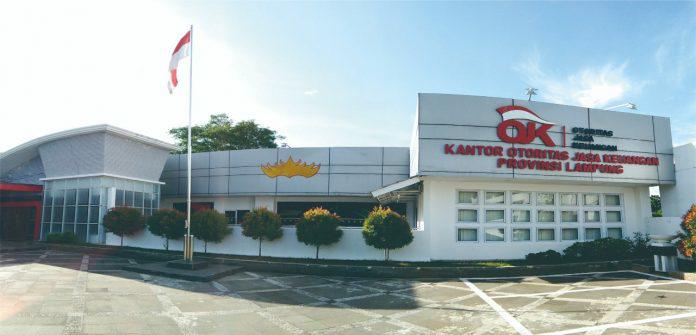
KPK APRESIASI OJK ATAS INOVASI PENGUATAN INTEGRITAS ORGANISASI BERKELANJUTAN

Jakarta, 22 Januari 2025. Komisi Pemberantasan Korupsi (KPK) memberikan apresiasi
kepada Otoritas Jasa Keuangan (OJK) atas berbagai inovasi dan upaya yang telah
dilakukan dalam peningkatan integritas organisasi serta pencegahan korupsi secara
berkelanjutan.
Hal tersebut tercermin dalam hasil Survei Penilaian Integritas (SPI) OJK Tahun 2024 yang
memperoleh nilai 84,87 atau meningkat dari tahun sebelumnya 83,26, yang sekaligus
menunjukkan OJK konsisten berada dalam level risiko korupsi rendah dan program
penguatan integritas OJK telah berjalan efektif.

Capaian tersebut menempatkan OJK meraih peringkat ke-2 kategori Instansi
Kementerian/Lembaga tipe besar, dan peringkat ke-9 dari seluruh peserta SPI tahun 2024.
Nilai SPI OJK 2024 juga berada di atas rata-rata nilai seluruh
Kementerian/Lembaga/Pemerintah Daerah (K/L/PD) yaitu 71,53.

Ketua Dewan Audit OJK Sophia Wattimena pada acara Launching Hasil Survei Penilaian
Integritas (SPI) 2024 yang diselenggarakan oleh KPK di Gedung Merah Putih, Rabu (22/1),
menyampaikan komitmen OJK mendukung inisiatif KPK dalam pemberantasan korupsi,
dengan pendekatan ecosystem based, yang tidak hanya memberikan perbaikan bagi
internal, namun juga untuk industri jasa keuangan yang diawasi, antara lain melalui
penerapan Peraturan OJK Strategi Anti Fraud bagi Sektor Jasa Keuangan.

Keseriusan OJK tercermin dari integrasi nilai SPI sebagai bagian dari Indikator Kinerja
Utama (IKU) di tingkat OJK Wide, mendorong keterlibatan penuh seluruh jajaran dan
satuan kerja, serta bersinergi dengan KPK, yang menempatkan OJK dalam beberapa tahun
terakhir ke kategori Risiko Rendah dan berada pada 10 besar tingkat nasional.
OJK telah mengikuti SPI sejak tahun 2016 dan telah menetapkan capaian indeks integritas
menjadi IKU OJK Wide sejak tahun 2017.

Dalam kesempatan tersebut, Ketua KPK Setyo Budiyanto menyampaikan apresiasi kepada
OJK atas praktik terbaik yang telah dilakukan dan mendorong agar praktik serupa juga
diterapkan pada K/L/PD lainnya sebagai bentuk inovasi atau perbaikan berkelanjutan
dalam meningkatkan integritas organisasi.

SPI diselenggarakan KPK sebagai evaluasi untuk mengukur perkembangan kondisi
integritas, capaian upaya pencegahan korupsi, dan efektivitas upaya penguatan integritas
K/L/PD sehingga upaya-upaya perbaikan dapat berbasis pada persoalan riil.

Pada tahun 2024, SPI diikuti oleh 641 instansi yang terdiri dari 94 Kementerian/Lembaga,
37 Pemerintah Provinsi dan 508 Pemerintah Kabupaten/Kota serta 2 BUMN. Capaian
Indeks Integritas Nasional 2024 adalah 71,58 meningkat dari tahun sebelumnya yaitu
70,97.

Mahdi Yusuf Resmi Jabat Dirut Bank Lampung

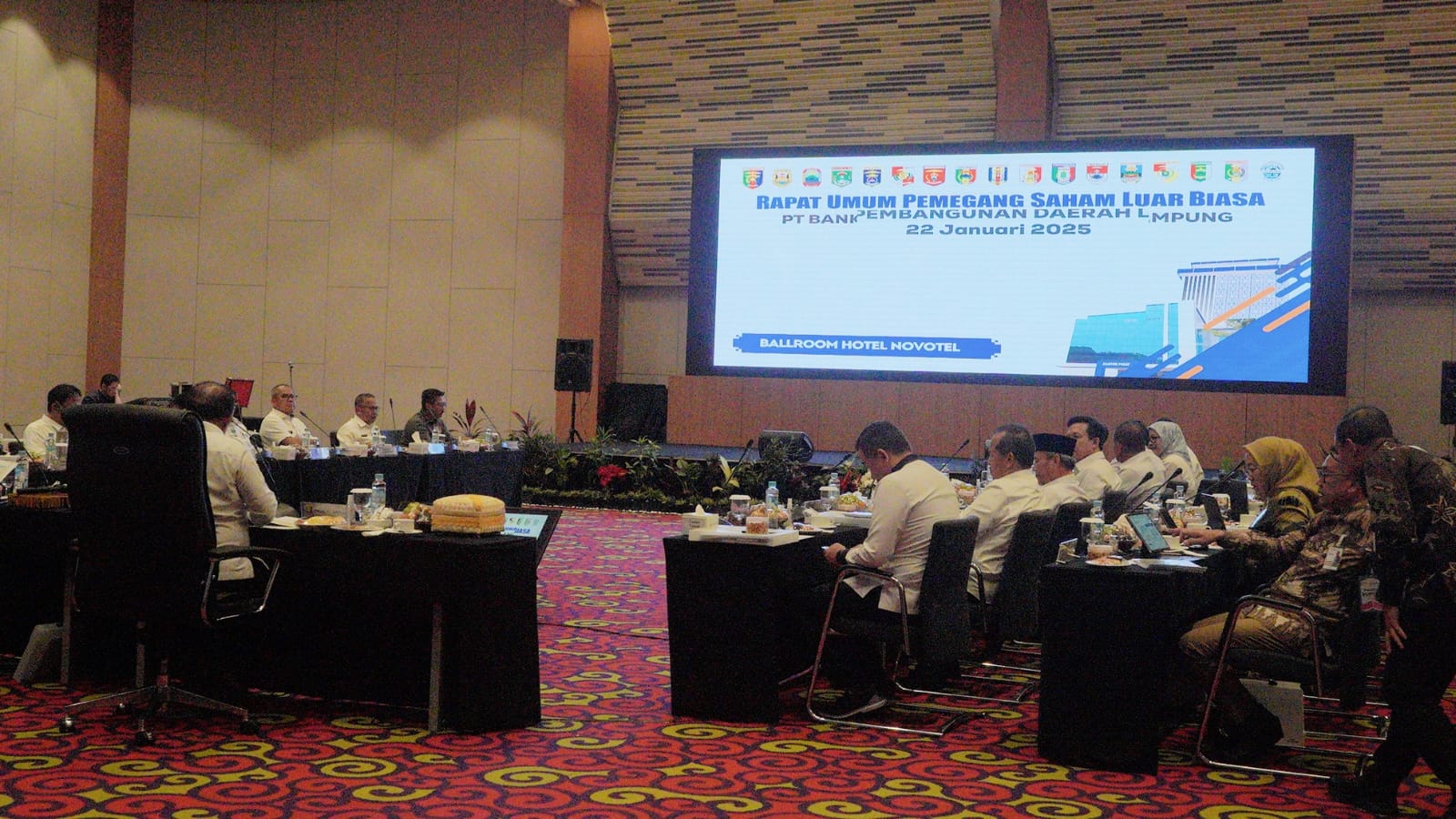
Bandarlampung — Mahdi Yusuf resmi menjabat sebagai Direktur Utama Bank Lampung, hal itu diputuskan dalam Rapat Umum Pemegang Saham Luar Biasa (RUPS -LB) yang digelar Bank Lampung, hari ini Rabu (22/1/2025).

RUPS-LB yang dipimpin oleh Pj Gubernur Lampung Samsudin dan digelar di Ballroom Novotel Bandar Lampung ini dihadiri oleh para pemegang saham Bank Lampung dan menghasilkan beberapa keputusan penting bagi Bank Lampung.

Pj Gubernur Lampung Samsudin mengungkapkan, hasil dari RUPS-LB Bank Lampung hari ini yaitu pertama menetapkan Direktur Utama Bank Lampung. Dimana sudah disetujui semua persyaratan oleh OJK maka diputuskan untuk ditetapkan Mahdi Yusuf sebagai Direktur Utama Bank Lampung.

“Kemudian hasil RUPS-LB yang kedua terkait KUB bersama Bank Jatim. Dimana jumlah penyertaan modal Bank Lampung yang tadinya Rp150 Milyar menjadi Rp 100 Milyar. Kenapa dikurangi ? Karena itu lebih menguntungkan bagi Bank Lampung, semakin kecil penyertaan modal Bank Lampung maka Bank Lampung semakin diuntungkan dan ini sudah disepakati oleh Bank Jatim” ujar Pj Gubernur Lampung Samsudin.

Ia juga berharap agar masyarakat Lampung sudah mulai percaya terhadap pengelolaan Bank Lampung. Apa lagi jika melihat apa yang sudah dilakukan oleh management Bank Lampung adalah sebuah pembaharuan perombakan menuju Bank Lampung yang lebih baik lagi dan menjadi kebanggaan masyarakat Lampung.

Sementara itu, Komisaris Utama Bank Lampung Fahrizal Darminto mengungkapkan pada RUPS tahun lalu seluruh pemegang saham dengan bulat mengusulkan Mahdi Yusuf untuk diusulkan kepada OJK sebagai Dirut Bank Lampung.
“OJK menyetujui dan pak Mahdi Yusuf sudah dianggap layak dan sudah melalui fit and proper tes. Hari ini beliau disahkan oleh para pemegang saham dan mulai hari ini Mahdi Yusuh sudah efektif sebagai Direktur Utama Bank Lampung” katanya.

Terkait perubahan visi dan misi Bank Lampung yang dicanangkan ditahun 2025 ini, Fahrizal Darminto mengungkapkan perubahan itu memang harus selalu dilakukan karena dunia di luar itu berubah. Untuk itu kita harus merespon perubahan – perubahan tersebut, apalagi kita tahu bisnis perbankan penuh dengan persaingan bukan hanya Bank Lampung yang ada di Provinsi Lampung namun juga bank – bank lainnya, jadi Bank Lampung memang harus berinovasi, harus mengembangkan IT dan SDM nya juga harus ditingkatkan itu bagian dari Bank Lampung menuju perubahan.

Saat disinggung harapan untuk Bank Lampung yang sebentar lagi genap berusia 59 Tahun, Pj Gubernur Lampung menyampaikan jaman sudah berubah, era sudah berubah dimana IT yang menjadi dominan dalam pengelolaan perbankan oleh karena itu saya berharap agar Bank Lampung segera mengupdate diri dalam hal terkait dengan pengelolaan tehnologi perbankannya. Kalau Bank – bank lain sudah semakin cepat dan semakin memudahkan penggunannya maka Bank Lampung pun harus seperti itu, jadi kita harus melakukan upaya – upaya yang lebih maju lebih modern sehingga generasi milenial, generasi gen Z sudah sangat enjoy dan bangga apabila dia menggunakan Bank Lampung dalam traksaksional kesehariannya.

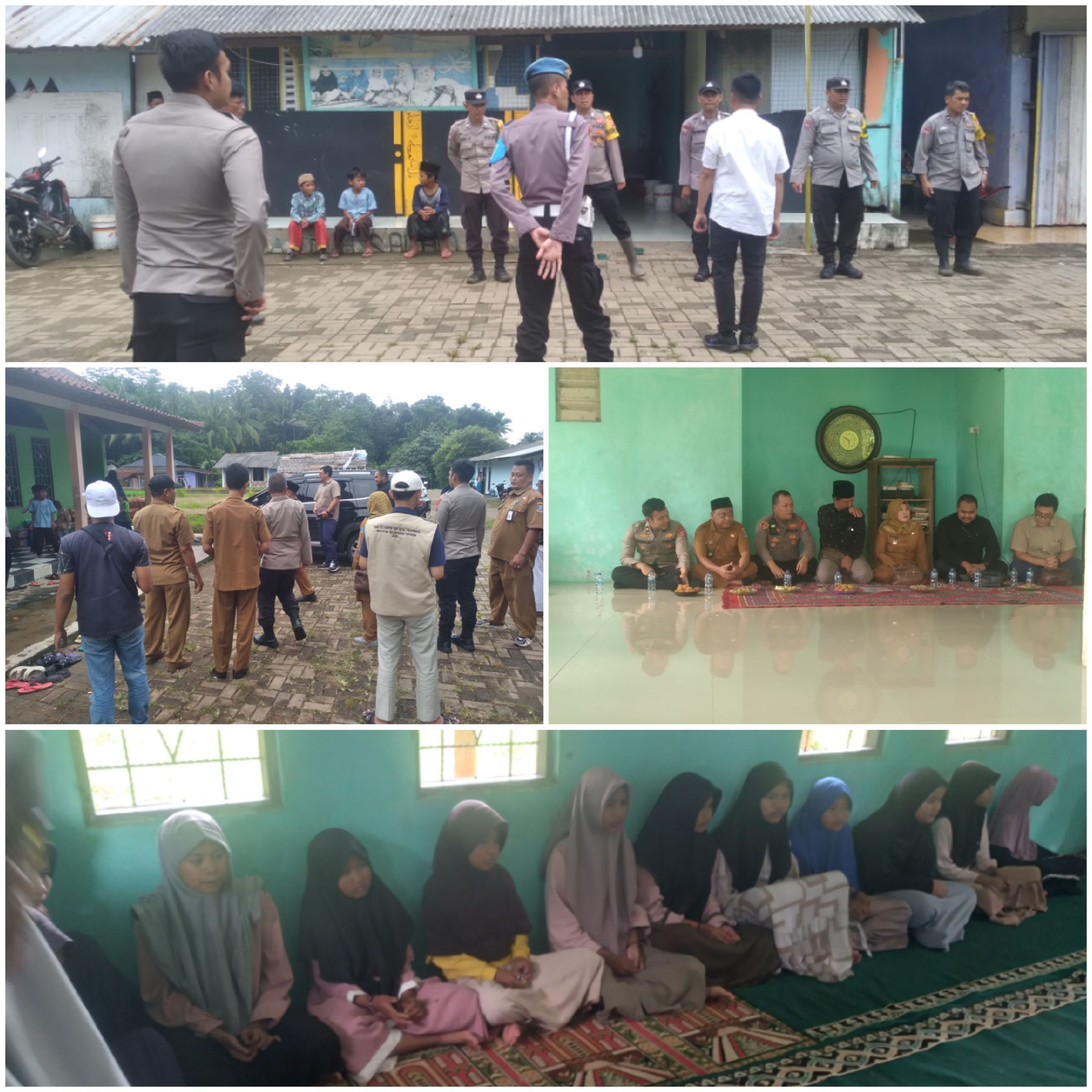
Survei Lokasi Program Pengembangan Santri Berdikari Di Yayasan Hayy El Rahma.Mancak

Serang,Mediarepublika.com-program pengembangan santri berdikari, Zaidi perwakilan dari Yayasan sinar nuruzzaman, melakukan survei ke lokasi Yayasan hayy El Rahma, Pondok Yatim dan Dhuafa Hayyussalam di Kp. Ciherang, Des.Pasirwaru, Kec.Mancak, Kab.Serang, Banten. Selasa (21/01/2025).


Kegiatan Pengembangan santri mandiri ini adalah proses untuk membentuk kepribadian santri yang mandiri dan tangguh. Tujuannya agar santri dapat berkontribusi positif bagi dirinya, bangsa dan negara.

Beberapa contoh kegiatan yang dapat dilakukan untuk mengembangkan kemandirian santri, di antaranya:

• Mengelola waktu

• Merencakan kegiatan harian untuk jangka panjang

• Mengambil keputusan yang berani

• Mengatur jadwal belajar sendiri
• Membersihkan asrama

• Mengatur kegiatan komunitas

“Asep selaku pimpinan Yayasan hayy El Rahma, pondok yatim dan dhuafa hayyussalam berharap, dengan adanya program ini, para santri nantinya akan punya karakter dan juga mampu bejuang sendiri tanpa bergantung kepada orang lain”, ungkapnya

“Fasilitas Lahan seluas hampir 1 Hektar yang di sediakan oleh pihak yayasan untuk program penggemukan sapi dan kambing yang nantinya akan digunakan oleh Yayasan sinar nuruzzaman sebagai penyedia, jdi dalam hal ini kami hanya memfasilitasi saja”,imbuh Asep

Saat dimintai keterangan Awak Media Mengenai kapan waktu pelaksanaannya, Asep menjelaskan Ini baru verifikasi blm tentu datangnya karena masih di seleksi baru tahapan survei, jdi saya dan juga para santri memohon do’a kepada semua pihak mudah-mudahan ini rezeki para santri”,tutupnya

(Iksan)

yonif 143/TWEJ melaksanakan program MGB

Bandar Lampung, – Komandan Batalyon Infanteri (Danyonif) 143/Tri Wira Eka Jaya (143/TWEJ) Letkol INF Danang Setiaji S.I.P mengadakan program dapur masuk sekolah Kodam II/Sriwijaya di SD Kartika II-6. Kamis (23/01/2025).


Danyonif 143/TWEJ berujar kegiatan Makan Bergizi Gratis (MGB) akan dilaksanakan karena ini kan untuk mendukung program pemerintah dan instansi dalam hal ini pihak TNI kami akan siap melaksanakan program MGB ini.


“Untuk saat ini Anggara sementara masih swadaya masing-masing nanti ke depannya sesuai instruksi bapak Prabowo dananya akan langsung turun dari pemerintah” Ujarnya.


Berikutnya, Letkol INF Danang berkata untuk peserta yang dilaksanakan di SD Kartika II-6 sekitar 215 orang.


“Untuk kesehatan dapur umumnya sementara dalam hal ini untuk di Korem di shutlock, untuk Kita sementara menggunakan dapur-dapur dari Batalyon,” kata dia.


Selanjutnya, Danyonif bertutur untuk memastikan makanan ini sehat kami melakukan pengecekan langsung oleh ahli gizi dan kami pastikan insya Allah aman.


“Untuk harapan kedepan semoga kegiatan ini berkelanjutan dan ini merupakan program bagus untuk bapak Prabowo, apalagi untuk menunjang Indonesia emas 2045 dengan jumlah penduduk yang sangat besar dan semoga Indonesia semakin maju,” Harapnya.


Di Tempat yang sama, kepala sekolah SD Kartika II-6 Chichilia Septiana S.Pd berucap program makan gratis bergizi ini sangat bagus apalagi untuk anak-anak sekolah agar tahu makanan mengandung gizi yang tepat.


“Saya harap semoga program ini terus berlanjut agar anak-anak bisa terus mendapatkan gizi yang baik untuk pertumbuhannya,” Ucap dia.

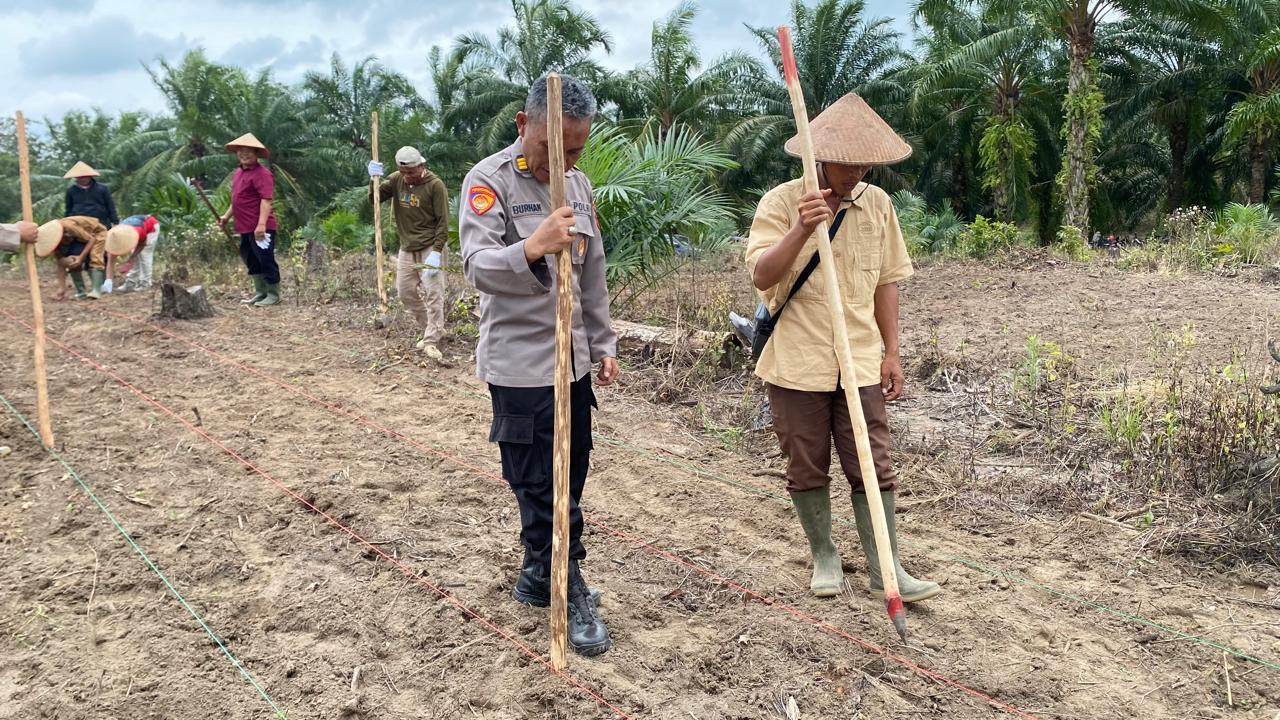
Penanaman Jagung Serentak 1 Juta Hektar, Polda Lampung Dukung Ketahanan Pangan Nasional

LAMPUNG – Kepolisian Daerah (Polda) Lampung bersama jajaran mengikuti video telekonferensi yang dipimpin oleh Kapolri Jenderal Listyo Sigit Prabowo dan Menteri Pertanian RI Andi Amran Sulaiman dari Cibende, Subang, Jawa Barat, dalam rangka penanaman jagung serentak 1 juta hektar, Selasa (21/01/2025).

Kegiatan ini merupakan wujud nyata dukungan terhadap program pemerintah yang menjadi salah satu Asta Cita Presiden RI Prabowo Subianto untuk memperkuat ketahanan pangan dan mewujudkan swasembada pangan guna mencapai Indonesia Emas.

Di Lampung, penanaman dilaksanakan di kawasan PTPN 7 Natar, Kelurahan Rejosari, Kecamatan Natar, dengan melibatkan berbagai pihak, termasuk TNI, swasta, dan kelompok tani.

Kapolda Lampung, Irjen Pol Helmy Santika, menyampaikan pentingnya sinergi lintas sektor dalam merealisasikan program ini.

“Ketahanan pangan bukan hanya tugas pemerintah, tetapi tanggung jawab bersama. Dengan kolaborasi Polri, Kementerian Pertanian, GAPKI, Perhutani, Inhutani, pihak swasta, dan petani, kita optimis dapat mencapai target swasembada pangan,” ujar Kapolda.

Dalam kesempatan tersebut, Polda Lampung menanam bibit jagung sebanyak 34 kilogram di lahan seluas 128,8 hektar. Secara keseluruhan, jajaran Polres di bawah Polda Lampung berhasil menanam bibit sebanyak 492 kilogram di area seluas 2.837,90 hektar.

“Ini bukan sekadar program seremonial, tetapi langkah strategis untuk mendukung ketahanan pangan nasional. Polda Lampung siap menjadi bagian dari solusi, khususnya dalam mengawal keberhasilan program ini di tingkat daerah,” tambah Irjen Pol Helmy Santika.

Kapolda juga menekankan bahwa dukungan terhadap program ini merupakan bagian dari upaya mencapai Indonesia Emas yang mandiri dalam sektor pangan.

“Program ini sejalan dengan visi Presiden RI untuk mewujudkan kedaulatan pangan sebagai pondasi menuju Indonesia Emas. Dengan kerja keras dan kebersamaan, target ini bukan hal yang mustahil,” tegasnya.

Selain itu, Kapolda Lampung berharap kegiatan ini dapat menjadi inspirasi bagi masyarakat untuk lebih peduli terhadap sektor pertanian.

“Kami mengajak seluruh elemen masyarakat, terutama petani lokal, untuk terus semangat mengelola lahan pertanian. Kesejahteraan masyarakat akan meningkat seiring keberhasilan program ini,” pungkas Irjen Pol Helmy Santika.

Program penanaman jagung serentak ini diharapkan tidak hanya menjadi simbol kerja sama lintas sektor, tetapi juga langkah nyata untuk memperkuat ketahanan pangan Indonesia, khususnya di Provinsi Lampung.

Bentuk Generasi Muda Sejak Dini Prajurit Yonif 143/TWEJ Buka Latihan Dasar Kepemimpinan Pada Siswa Siswi

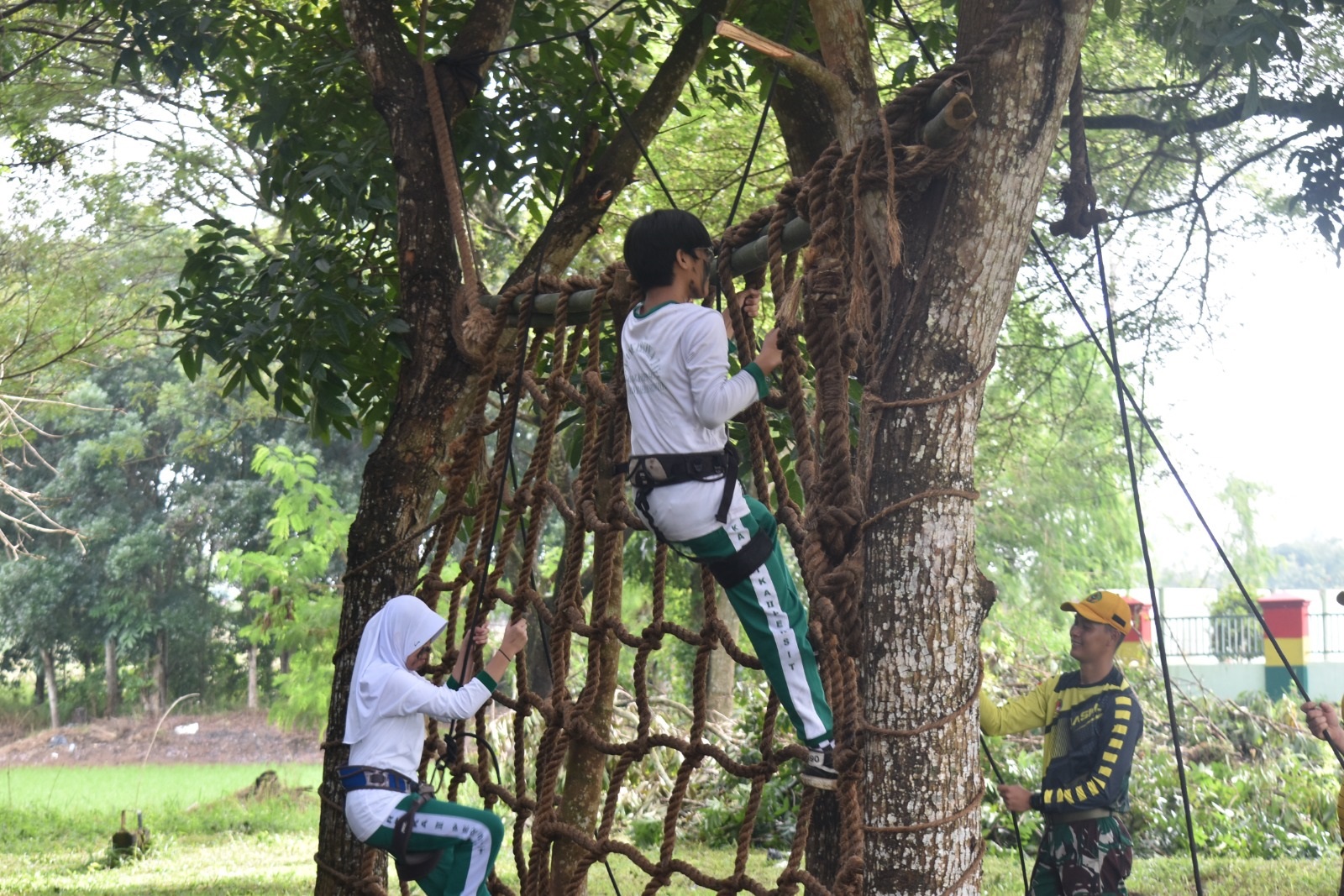
Lampung Selatan Sabtu 18 Januari 2024 Bentuk Generasi Muda Sejak Dini Prajurit Yonif 143/TWEJ Buka Latihan Dasar Kepemimpinan (LDK)Pada Siswa Siswi TK,SD,Dan SMP Kartika II Bandar Lampung.

Kegiatan Latihan Dasar Kepemimpinan(LDK) yang di ikuti oleh siswa siswi sebanyak 863 orang berlangsung dengan penuh antusias dan semangat dari para siswa siswi yang di buka langsung oleh Ketua Yayasan Kartika Jaya Kordinator Korem 043 Cabang II Sriwijaya Nya.Hanny Dwi Yanti,yang berlangsung selama 2 hari yang di mulai pada tanggal 18 s.d 19 Januari 2025.

Pada kegiatan latihan ini para prajurit Yonif 143/TWEJ melatihkan kegiatan Baris Berbaris(PBB), Kedisiplinan, Kekompakan,dan materi wawasan kebangsaan agar para siswa siswi menjadi generasi penerus bangsa yang tangguh, berkarakter dan siap menghadapi tantangan di masa depan.

Danyonif 143/TWEJ Letkol Inf Danang Setiaji S.IP selaku komandan menyambut para peserta Latihan Dasar Kepemimpinan (LDK)ini dengan senang hati selain bisa mengenalkan batalyon infanteri 143/Tri Wira Eka Jaya ini kepada halayak masyarakat luar.

Lebih lanjut Latihan Dasar Kepemimpinan(LDK) bertujuan untuk menanamkan jiwa kepemimpinan kepada siswa siswi sejak dini dengan cara melatihkan
Kemandirian, Tanggung jawab,dan disiplin kepada siswa agar dapat membentuk generasi muda yang cinta tanah air dan memiliki semangat nasionalisme.pungkasnya

Penanaman Jagung Serentak 1 juta HA, Polres Way Kanan Manfaatkan Lahan Perkebunan di Blambangan Umpu

Polres Way Kanan Polda Lampung melaksanakan kegiatan pelaksanaan Launching Penanaman Jagung Serentak 1 Juta Hektar melalui sarana vicon di PT. BMM Blambangan Umpu, Way Kanan. Selasa (21/01/2025).

Kegiataan dihadiri oleh Kapolres Way Kanan AKBP Adanan Mangopang, Plt. Kadis TPHP Maulana, Kadis Perkebunan Rofiki, Pejabat Utama Polres Way Kanan, kelompok tani dan tamu undangan.

Kapolres Way Kanan AKBP Adanan Mangopang menuturkan launching penanaman jagung serentak 1 Juta Hektar ini dilaksanakan secara Hybrid dengan Mabes Polri guna mendukung program swamsebada pangan tahun 2025 berlangsung di Desa Karang Mukti, Kecamatan Cipendauy, Kabupaten Subang Jawa Barat.

Kegiatan ini merupakan bentuk komitmen, sinergi, dan kontribusi Polri untuk mendukung program prioritas Presiden RI Prabowo Subiyanto yakni Asta Cita dalam memperkuat ketahanan pangan dan memperkokoh kedaulatan bangsa.

Sebagai langkah awal, pelaksanaan tanam serentak secara simbolis dilakukan Kapolres diikuti tamu undangan melakukan penanam bibit jagung yang memanfaatkan lahan perkebunan PT. BMM Blambangaan Umpu dengan luas lahan 5 Hektar dengan metode tumpang sari,”sambungnya.

Dengan sinergitas, dukungan dan kolaborasi dari berbagai pihak, Polri, Kementan RI, GAPKI, Perhutani, Inhutani, Swasta, Petani dalam mewujudkan swasembada pangan diharapkan dapat menjadi langkah strategis untuk memperkuat ketahanan pangan nasional, sejalan dengan visi pemerintah dalam meningkatkan kesejahteraan petani dan stabilitas ekonomi nasional,“ Imbuhnya.

L’Évolution des Techniques de Pêche : De l’Appât Manuel à la Sonde Intelligente

La pêche, activité ancestrale enracinée dans la nécessité humaine de se nourrir et de comprendre les milieux aquatiques, a profondément évolué depuis les premiers appâts manuels jusqu’aux systèmes automatisés guidés par l’intelligence artificielle. Cette transformation, reflétée dans l’exemple emblématique du passage de l’appât traditionnel au dispositif électronique intelligent, incarne une quête constante d’efficacité, de précision et de respect croissant des écosystèmes marins.

1. De l’appât manuel à la sonde intelligente : comprendre la transformation des techniques de pêche

L’appât, élément fondamental de la pratique de la pêche, est passé d’un simple morceau de poisson ou de végétal à des dispositifs électroniques multifonctions capables de détecter en temps réel la profondeur, la température, et même la présence de poissons. Ce bond technologique s’inscrit dans la lignée des innovations décrites dans The Evolution of Fishing: From Bobbers to Deep-Sea Submarines, où l’appât traditionnel cède sa place à des systèmes connectés qui optimisent la stratégie du pêcheur.

  1. Les premiers appâts, souvent improvisés, nécessitaient une connaissance approfondie des comportements des poissons et de leur habitat. Aujourd’hui, des capteurs embarqués transmettent des données en temps réel, permettant une adaptation instantanée des techniques de pêche.

    « La technologie ne remplace pas l’instinct humain, mais le amplifie en transformant l’intuition en données exploitables. »*

  2. Cette révolution touche également les matériaux utilisés : bobines en alliage léger, fils résistants à la corrosion, et dispositifs étanches permettent aux équipements de survivre et de fonctionner en milieu sous-marin extrême.

2. Précision et adaptation : l’impact des matériaux modernes sur les dispositifs de pêche

L’essor des matériaux avancés a redéfini les limites des équipements de pêche. Les bobbers traditionnels, souvent en plastique basique, ont été remplacés par des capteurs en polymères intelligents, capables de résister à la pression, au sel et aux chocs thermiques. Ces innovations, décrites dans le contexte de The Evolution of Fishing: From Bobbers to Deep-Sea Submarines, permettent une durabilité accrue et une précision sans précédent dans le suivi des lignes.

Les fils de pêche, autrefois sujets à la casse et à l’effilochage, bénéficient désormais de revêtements en nanofibres qui réduisent la traînée et augmentent la résistance. En France, des filières locales ont adopté ces innovations pour créer des lignes conçues pour la pêche durable, alliant performance et préservation des ressources.

3. La pêche en eaux profondes : défis techniques et innovations des équipements automatisés

La pêche en eaux profondes représente un défi technique majeur, où pression, obscurité et températures extrêmes imposent des solutions inédites. Les équipements automatisés, inspirés par les systèmes utilisés dans les sous-marins de recherche, intègrent des systèmes GPS, sonars multifréquences, et caméras thermiques embarquées. Ces technologies, présentées dans la section consacrée à l’évolution des bobbers vers des sondes intelligentes, permettent aux pêcheurs de localiser précisément les bancs de poissons, même à des centaines de mètres de profondeur.

Les systèmes automatisés modernes, comme les lignes équipées de capteurs connectés, ajustent dynamiquement la tension de la ligne selon les mouvements du poisson, réduisant ainsi les pertes et améliorant la qualité des captures. Cette automatisation s’inscrit dans une démarche de durabilité, en limitant les captures accidentelles et en protégeant les écosystèmes fragiles des zones sensibles.

4. La numérisation des lignes de pêche : depuis les bobbers analogiques jusqu’aux capteurs connectés

De simples bobbers analogiques, suspendus à une ligne, ont cédé la place à des dispositifs numériques intégrés. Ces nouvelles lignes, reliées à des réseaux IoT, transmettent des données en temps réel sur la position, la profondeur et l’activité autour du point de pêche.

En France, des startups et des fabricants locaux ont développé des bobbers intelligents associés à des applications mobiles, permettant au pêcheur de suivre instantanément la position de sa ligne, d’analyser les tendances migratoires des espèces, et d’ajuster sa stratégie sans quitter son bateau.

  • Bobber traditionnel – simple marqueur visuel, pas de données.
  • Bobber connecté – capte position et mouvement, connecté à une appli.
  • Sonde intégrée – mesure profondeur, température, courants, transmise en temps réel.

5. L’intelligence artificielle au service du choix du lieu de pêche : entre tradition et algorithmes

L’intégration de l’intelligence artificielle dans la pêche marque une étape décisive. En analysant des données historiques et en temps réel – courants marins, température, migrations, quotas – les algorithmes proposent aux pêcheurs les lieux les plus prometteurs, tout en respectant les réglementations environnementales.

Dans les régions côtières françaises comme la Bretagne ou la Corse, ces systèmes aident à éviter les zones surexploitées, favorisant ainsi une pêche durable. L’IA ne remplace pas l’expérience du pêcheur, mais l’enrichit d’informations précises pour mieux préserver les ressources.

« L’IA n’est pas un substitut à la connaissance, mais un miroir qui amplifie notre capacité à comprendre l’océan.*

6. Retour au thème central : comment l’évolution des techniques reflète une quête toujours plus fine d’efficacité et de respect des écosystèmes

Cette évolution constante des techniques de pêche, de l’appât manuel au système automatisé et intelligent, illustre une ambition profonde : maximiser le rendement tout en minimisant l’impact environnemental. Chaque innovation – qu’il s’agisse d’un bobber connecté ou d’un algorithme de prédiction – participe à un équilibre fragile mais essentiel entre tradition, technologie et durabilité.

Table des matières

  1. 1. De l’appât manuel à la sonde intelligente : comprendre la transformation des techniques de pêche
  2. 2. Précision et adaptation : l’impact des matériaux modernes sur les dispositifs de pêche
  3. 3. La pêche en eaux profondes : défis techniques et innovations des équipements automatisés
  4. 4. La numérisation des lignes de pêche :